
ePanic User Guide

 Your Device
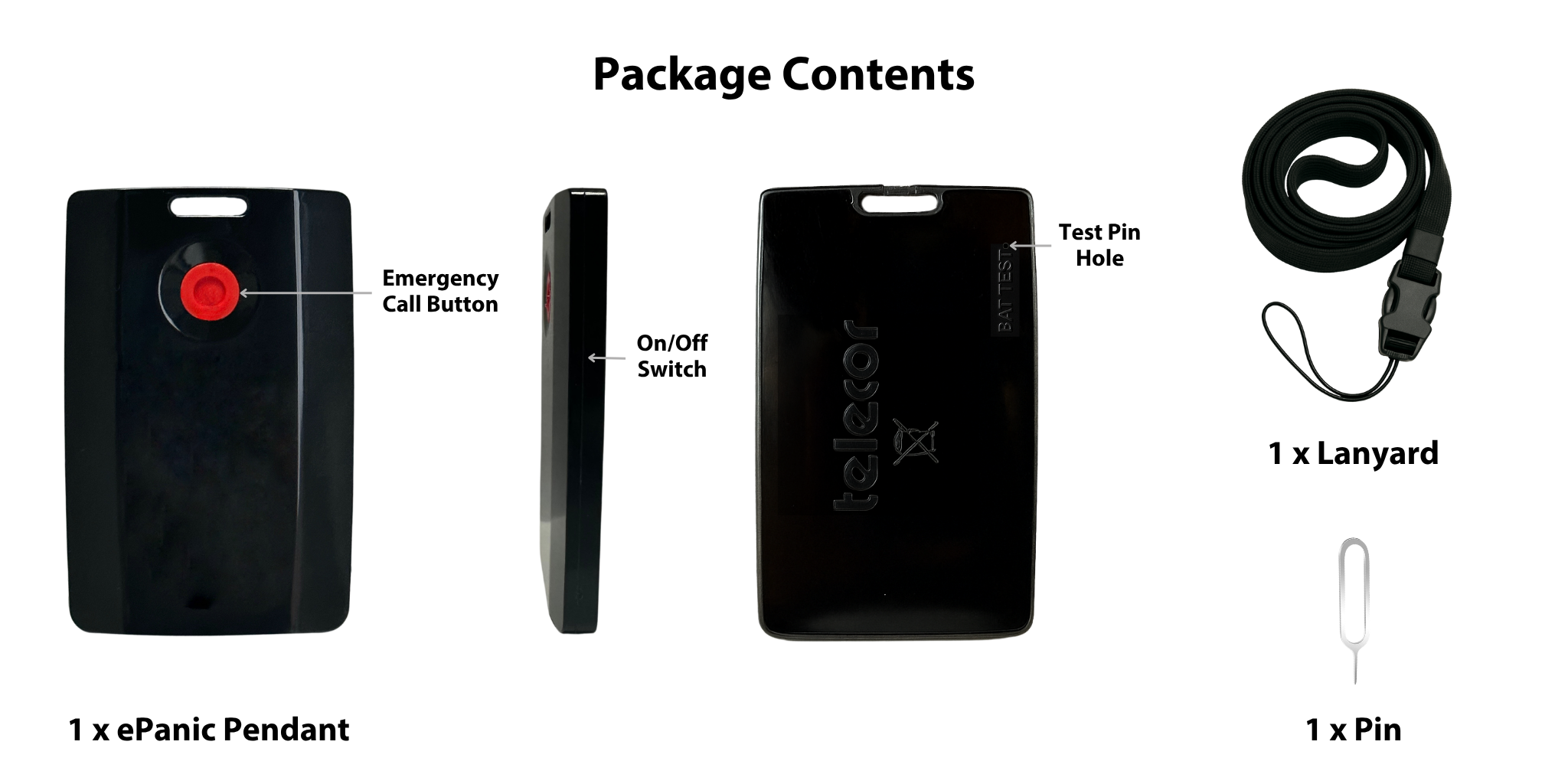
The diagram below shows what comes in the package and highlights the main parts of your device, including:
• Emergency call button
• On/off switch
• Test pin hole
 Important Warnings for Users
• The ePanic Pendant is intended strictly for emergency use and must not be activated during non-emergency situations.
• Users should avoid submerging the pendant in water or exposing it to moisture, as this may cause permanent damage.
• Modifying, puncturing, bending, or otherwise physically altering the device can compromise its performance and should be strictly avoided.
• The device operates effectively within a temperature range of 50°F to 104°F and should be used only within these limits.
 How to Use Your Device
Commissioning the Device
The ePanic pendant does not need to be registered to function. The supporting hardware, such as the eRCS-R receiver connected to an eSeries endpoint device, must be properly installed to allow the ePanic pendant to trigger an emergency call-in to a designated destination. This installation and programming are performed by an authorized Telecor reseller. When activated, the ePanic pendant will trigger an emergency call-in from an in-range receiver.
 Connecting the Lanyard
Each ePanic Pendant comes with a safety breakaway lanyard.
To attach it, follow these steps:
1. Thread the looped end of the lanyard through the small slot at the top of the pendant.
2. Pull the clip end through the loop to secure it.
3. Test the breakaway feature to ensure it releases safely under tension.
The device is designed to be worn around the neck for convenient access. The lightweight design (35g) ensures it can be worn comfortably throughout the day.
 Initiating an Emergency Call
To initiate an emergency call, press the red button located on the front of the pendant. This single action transmits an alert to the eSeries receiver, triggering a call to the designated emergency responders.
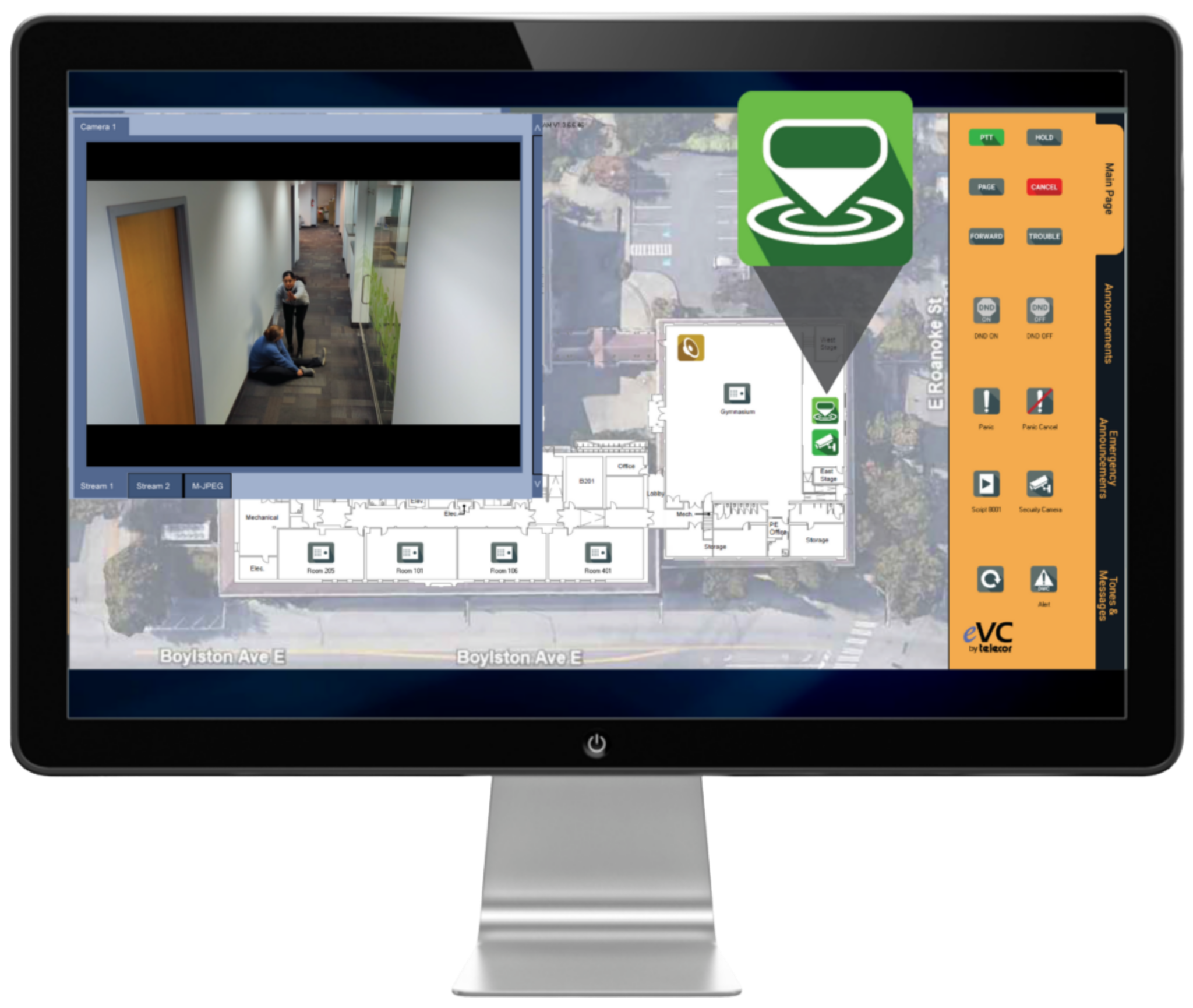
A confirmation tone sounds from the pendant, indicating that the alert was transmitted. If configured, the eSeries Visual Console interface can display the location where the alert was received on a facility floor map, enable two-way intercom communication, and activate live camera feeds at the alert location.
 How to Wear the Device for Optimal Operation
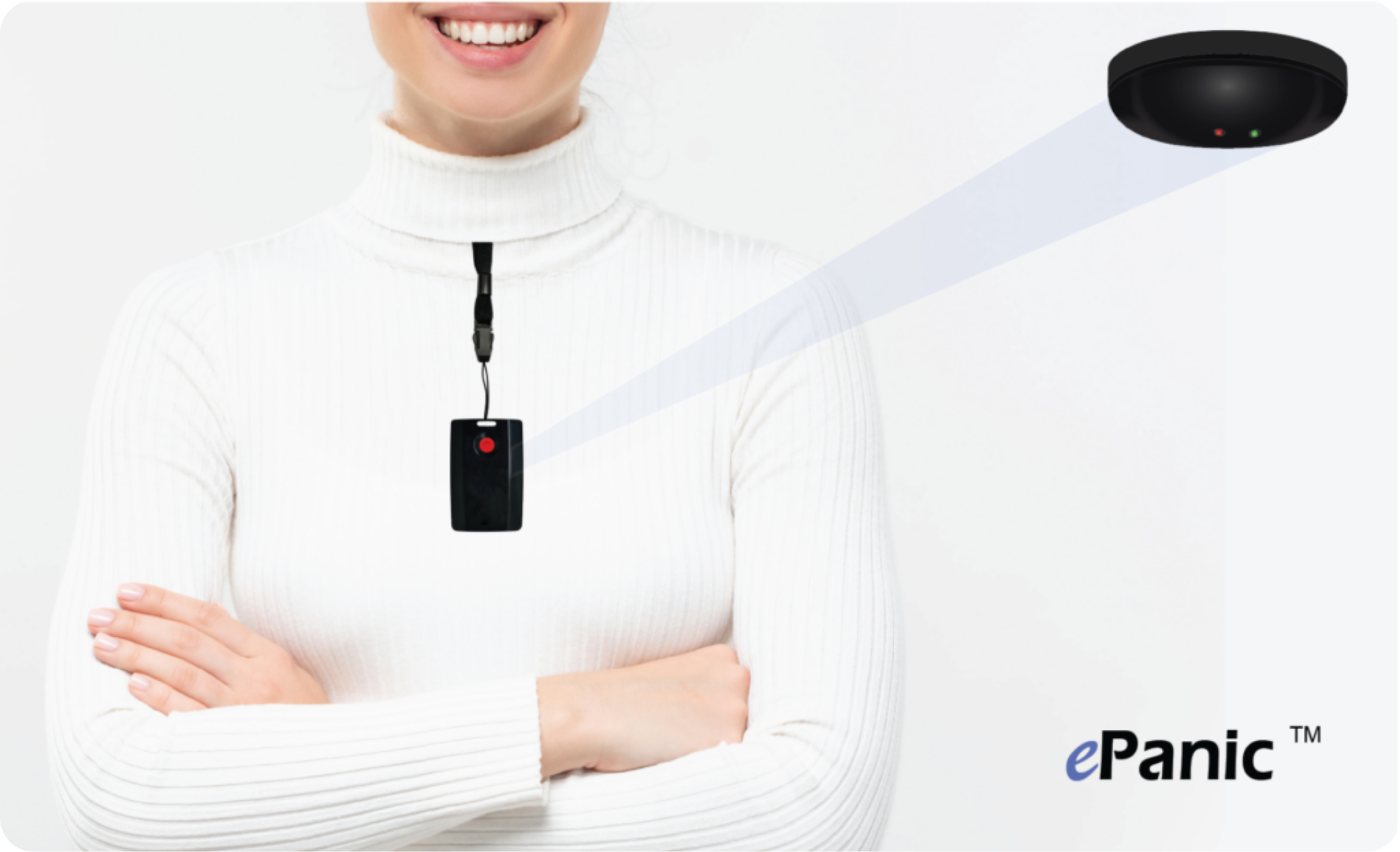
The pendant must be worn at chest level and remain unobstructed. Avoid wearing the device under heavy clothing or placing it in pockets, as this may weaken the alert signal transmission or delay activation during an emergency.
To ensure the best performance:
• Wear the pendant using the provided lanyard.
• Avoid environments outside the operational temperature range (10–40°C or 50–104°F).
• Keep the device free of moisture.
The pendant includes a built-in test feature that allows users to verify its operational status. Regular testing is recommended as part of routine safety checks.
 What Happens During an Emergency
Once the emergency button on the pendant is pressed, an alert signal is transmitted and received by an in-range receiver. An emergency call which is placed when the panic button is pressed will generate a call to a predefined location.
Where available, the system will display the emergency location on an interactive GUI. In facilities equipped with this feature, a live video feed of the affected area will also be accessible to responders for improved situational awareness.

 Emergency Response Expectations and False Alarm Prevention
Emergency Response Expectations
The ePanic Pendant alert must be within range of a configured receiver in order to generate an emergency call to a designated emergency responder. Emergency response time depends on the availability of emergency personnel trained to respond to emergency calls.
Users should familiarize themselves with their organization’s emergency plan and understand that the pendant is one component of a comprehensive safety and emergency response system.
False Alarm Prevention and Misuse
Users should exercise caution when handling the pendant to prevent accidental activation.
If the pendant is triggered unintentionally, the user should follow the organization’s prescribed false alert procedures. Misuse of the device may result in delayed emergency response or disciplinary action in accordance with organizational policy.
 Maintenance, Connectivity, and Security
Routine Maintenance and Functionality Checks
Users should regularly test the pendant device to ensure that it is functioning correctly. The pendant’s battery typically lasts between 3 and 5 years. A chirping sound indicates a low battery, and the pendant should be replaced immediately once this alert is heard to maintain proper functionality. Organizations should implement a periodic maintenance and testing schedule to verify the functionality of the complete pendant and emergency response system.
In the event of a malfunction, the user must report the issue immediately to obtain a replacement or arrange for repairs.
Connectivity and Signal Limitations
The ePanic Pendant relies on an infrared signal to transmit alerts. It may not function as intended in areas with inadequate receiver coverage or where there is significant direct sunlight interference.
Users should be aware of signal receiver dead zones within their facility and report them to the appropriate personnel for evaluation. The pendant should not be the sole method of communication during an emergency and should be used in conjunction with other communication tools and protocols.
Compliance and Security Guidelines
The device must be used in accordance with all relevant local laws, workplace safety regulations, and organizational policies.
Tampering with or attempting to reprogram the pendant is prohibited and may result in the warranty being voided or the unit being disabled. The pendant is intended for individual use only and should never be shared with others. When not in use, it should be stored securely to prevent unauthorized access.
 Limited Warranty and Liability Disclaimer
The ePanic Pendant comes with a limited warranty. The manufacturer is not responsible for device failures caused by misuse, unauthorized modifications, or environmental exposure beyond the specified operating range.
It is important to recognize that the pendant is only one component of a broader emergency response strategy. Users must be properly trained in all aspects of emergency communication and participate in drills and preparedness exercises to ensure a coordinated and effective response during actual emergencies.
 Thank You for Choosing Telecor
We are committed to delivering high-quality communication and life safety solutions for secure and responsive environments.
If your pendant is not working properly or you notice any issues, please contact your school’s designated technical support staff or on-site technician for assistance.
For over 45 years Telecor has established itself internationally as a provider and leader of quality intercom, paging, clock, mass notification and security communication products and systems. With thousands of systems installed across the United States and worldwide, Telecor offers complete process manufacturing – from the concept and design stages, through to a worldwide network of certified trained distributors in the Education, Healthcare, Security and Commercial markets.